

Choosing between desktop and web applications can make or break your business operations. Whether you're a startup looking to optimize costs or an enterprise seeking maximum performance, understanding the real differences between these platforms is crucial for making smart investment decisions.
Let's dive into the nitty-gritty of cost structures and performance metrics to help you make the right choice for your specific needs.
Desktop Applications: The Performance Powerhouses
Desktop applications run natively on your device, giving them direct access to your system's full computing power. Think of software like Adobe Photoshop, AutoCAD, or high-end gaming applications: they're built for speed and efficiency.
The Strengths of Desktop Apps
Superior Performance: Desktop apps leverage your hardware's full potential. They process data locally, render graphics faster, and handle complex computations without depending on internet connectivity. For resource-intensive tasks like video editing, 3D modeling, or data analysis, desktop applications consistently outperform their web counterparts.
Offline Functionality: Your work doesn't stop when the internet goes down. Desktop applications provide complete offline access to your tools and local data, ensuring business continuity regardless of network issues.
Enhanced Security: With data stored locally, you maintain complete control over sensitive information. There's no risk of data breaches from third-party servers or concerns about cloud storage vulnerabilities.
The Challenges
Higher Development Costs: Building desktop applications requires creating separate versions for Windows, macOS, and Linux. This multi-platform approach significantly increases initial development time and costs.
Installation Complexity: Each user needs to install the software individually, which can become a logistical nightmare for large organizations. Updates require manual intervention, leading to version inconsistencies across teams.
Limited Accessibility: Desktop apps tie users to specific machines, reducing flexibility for remote work or multi-device environments.

Web Applications: The Accessibility Champions
Web applications operate through browsers, eliminating installation requirements and enabling access from virtually any device with internet connectivity. Modern examples include Google Workspace, Salesforce, and countless SaaS platforms transforming business operations.
The Web App Advantages
Lower Initial Investment: Developing a single web application serves all platforms simultaneously. This unified approach dramatically reduces upfront development costs and time-to-market.
Automatic Updates: Deploy updates once, and every user instantly receives the latest version. This centralized approach eliminates compatibility issues and ensures consistent user experiences.
Universal Accessibility: Access your applications from laptops, tablets, smartphones, or any device with a browser. This flexibility supports modern work environments and remote teams.
Rapid Scalability: Adding new users is as simple as creating accounts: no additional installations or hardware requirements needed.
The Trade-offs
Performance Limitations: Web applications depend on internet speed and server response times. Complex operations may experience latency, and browser limitations can affect graphics-intensive tasks.
Ongoing Costs: Monthly server maintenance, hosting fees, and bandwidth costs create continuous expenses. These subscription-based models accumulate significantly over time.
Internet Dependency: Most web applications require stable internet connections to function effectively, though Progressive Web Apps (PWAs) are beginning to address this limitation.
Cost Analysis: The Numbers That Matter
Understanding the true cost implications requires examining both upfront investments and long-term expenses.
Desktop Application Costs
Initial Development: Expect 30-50% higher development costs due to multi-platform requirements. However, at Galalee Software Solutions™, we optimize development processes to minimize these expenses while maintaining quality standards.
Deployment: Installation costs multiply with each device and user. Large organizations may require dedicated IT support for deployments and updates.
Ongoing Expenses: Minimal recurring costs after deployment. Updates may require additional development cycles, but no server maintenance fees apply.
Web Application Costs
Initial Development: Lower upfront costs due to unified codebases serving all platforms. Our web development services focus on cost-effective solutions that deliver maximum value.
Infrastructure: Monthly hosting, server maintenance, and bandwidth costs. These expenses scale with user growth and data usage.
Subscription Models: Predictable monthly or annual fees, but costs accumulate over the application's lifetime.
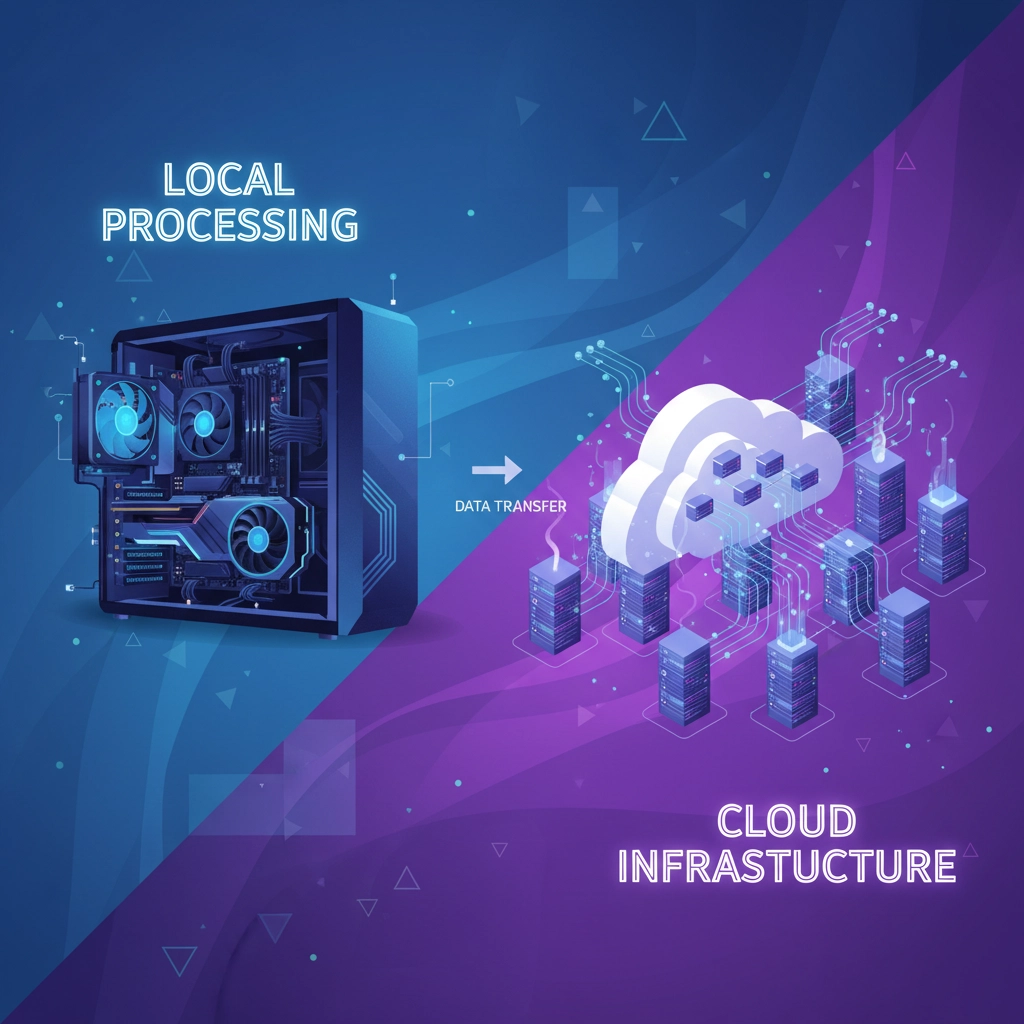
Performance Deep Dive: Speed vs Accessibility
Performance differences between desktop and web applications have narrowed significantly, but distinct advantages remain for each platform.
Desktop Performance Advantages
Desktop applications execute directly on local hardware, providing:
- Faster Processing: Direct CPU and GPU access enables superior performance for complex calculations
- Immediate Response: No network latency affects user interactions
- Resource Utilization: Full memory and processing power availability
Web Application Performance Evolution
Modern web applications have dramatically improved through:
- Advanced Frameworks: Technologies like React and Angular optimize browser performance
- Content Delivery Networks (CDNs): Reduced latency through geographically distributed servers
- Browser Optimizations: Enhanced JavaScript engines and better rendering capabilities
For comprehensive insights on this topic, explore our detailed comparison guide that examines additional technical considerations.
The Ultimate Comparison Table
| Factor | Desktop Applications | Web Applications |
|---|---|---|
| Initial Costs | Higher (multi-platform development) | Lower (unified development) |
| Ongoing Costs | Minimal | Moderate to High |
| Performance | Superior for intensive tasks | Good for standard operations |
| Accessibility | Limited to installed devices | Universal device access |
| Updates | Manual, complex | Automatic, seamless |
| Offline Access | Full functionality | Limited or none |
| Scalability | Expensive per user | Cost-effective scaling |
| Security | Local control | Centralized management |

Making the Right Choice: Strategic Recommendations
Choose Desktop Applications When:
- Maximum performance is non-negotiable for your operations
- Offline functionality is essential for business continuity
- Data security and local control are top priorities
- You can invest higher upfront costs for lower ongoing expenses
- Your team works primarily from fixed workstations
Choose Web Applications When:
- Multi-device accessibility is crucial for your workflow
- Remote collaboration features are essential
- You prefer lower initial investment with predictable ongoing costs
- Rapid user scaling is anticipated
- Your operations don't require intensive computational power
Hybrid Approaches: Best of Both Worlds
Many successful organizations implement hybrid strategies, utilizing desktop applications for performance-critical tasks while leveraging web applications for collaboration and accessibility. This approach maximizes efficiency while maintaining flexibility.
Our software development services can help you design comprehensive solutions that combine both platforms strategically, ensuring optimal performance and cost-effectiveness for your specific requirements.
Transform Your Application Strategy Today
The desktop versus web application decision significantly impacts your operational efficiency, costs, and growth potential. Understanding your specific requirements, performance needs, and budget constraints enables informed decisions that drive business success.
Ready to explore custom application development solutions? Contact our expert team at Galalee Software Solutions™ to discuss your unique requirements and discover how we can optimize your application strategy for maximum impact.
Connect with us on our social media channels for the latest insights on software development trends and best practices. Let's build something exceptional together!





0 Comments